If I Held the Best-of Awards Again, I Would Still Host Them Myself
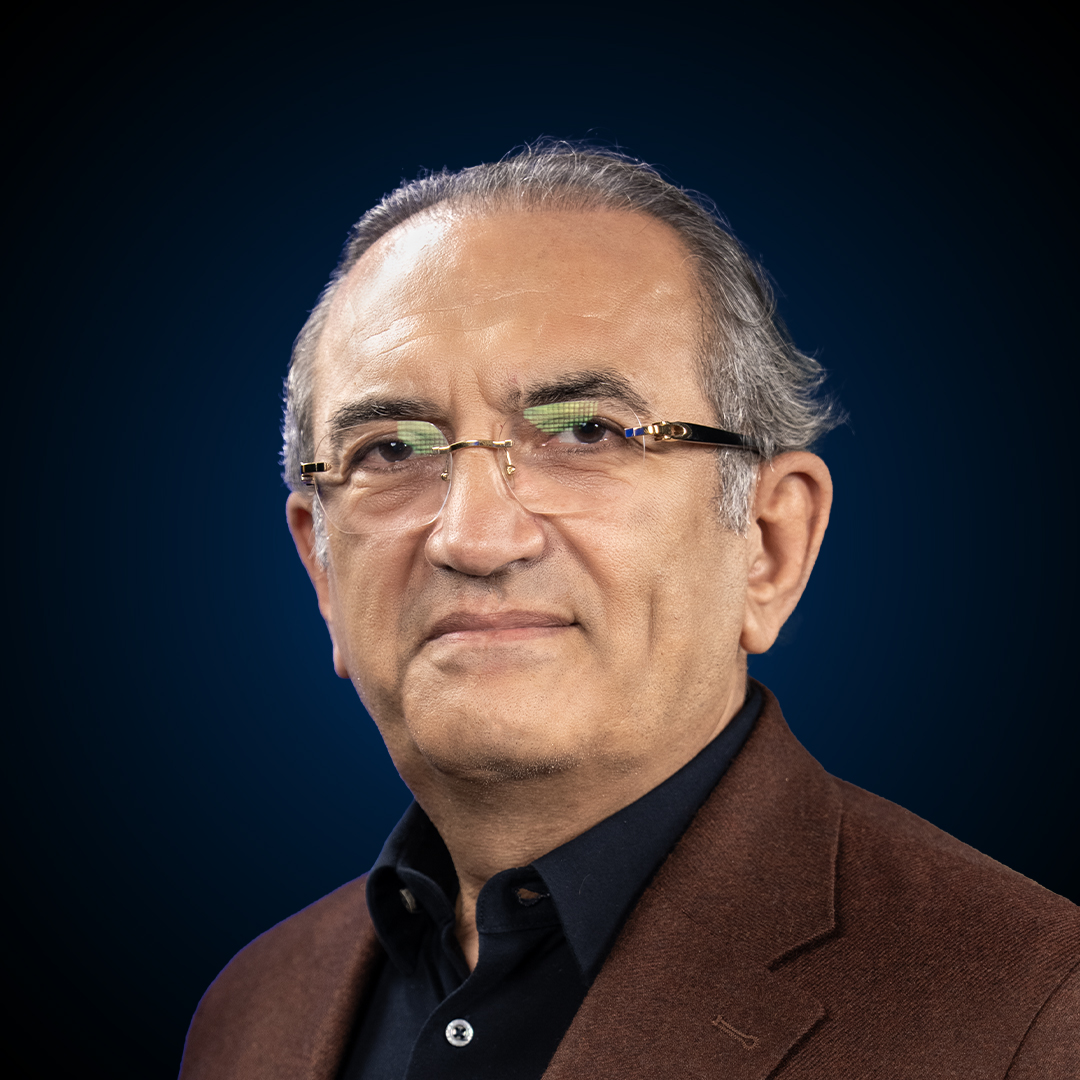
 With Amir EyZed · Streamer, YouTuber, podcaster and event organiser
Amir EyZed joins Arash Nalchegar to discuss Persian streaming and YouTube, audience support, creators’ responsibilities and the work behind The One Awards.
About this conversation
From the outside, streaming can look like switching on a camera and playing a game. Once it becomes daily work, other questions emerge: how do you find an audience for something you enjoy, and how can it become a sustainable job? In episode 34 of Fuse Podcast, Arash Nalchegar talks with Amir EyZed about a career spanning competitive Rainbow Six, Persian-language streaming, YouTube videos and The One Awards.
Choosing content creation as a profession takes more than gaming skill or confidence on camera. How do you make decisions about time, income and work when the future of the profession is still unfamiliar? The discussion of starting out on Twitch opens up these questions. For anyone considering online work, understanding the conditions at the beginning matters as much as seeing the eventual results, especially when family and friends have little experience of this kind of career.
A live audience does more than watch a finished video. Viewers can join the conversation, react immediately and contribute financially to keep a programme going. What do donations and subscriptions mean within that relationship? Why does paying for online content still need explanation, and how does supporting a creator differ from buying a product? These questions connect streaming to the experiences of independent podcasters, writers and other creators trying to sustain their work.
Moving from competitive gaming to reaction videos also raises questions about professional identity. Do people follow a creator for gaming ability, personal opinions or the entertainment and company they offer? When audience feedback shapes the choice of topics and formats, how does a creator decide where to draw boundaries? This part of the conversation offers a way to consider YouTube reactions through the relationship between creator and viewer, including the responsibility that comes with expressing an opinion publicly.
That responsibility becomes particularly tangible on a live broadcast. A joke or reply may circulate without its original context and invite different interpretations. Where is the boundary between criticising someone’s behaviour and ridiculing their appearance? How should a creator respond to other people’s reactions? The discussion includes body shaming and judgement on social media, inviting viewers to consider how both a speaker’s tone and the surrounding context affect the way a short clip is understood.
The One Awards, an awards event for Persian-language YouTubers and streamers, takes the discussion from building a channel to organising a production. Bringing creators together, coordinating guests, covering costs and preparing a broadcast involve work beyond what appears on screen. How much planning does a first event require? What questions do the constraints of organising in Iran and the absence of financial backing raise about the long-term viability of an independent project?
An awards event also depends on trust. What should audience votes and a jury’s judgement each measure? How should popularity, quality and opportunities for emerging creators relate to one another? The organiser’s role as host and the process for choosing nominees also become questions for discussion. For viewers looking at a list of winners, clear criteria help explain what “best” means within an event and what expectations it can reasonably meet.
This episode invites reflection on the work behind online entertainment, from daily contact with viewers to collaboration with other creators and responding to criticism of a project. If you are interested in Persian streaming, YouTube content creation or organising events, watch the full conversation with Amir EyZed and Arash Nalchegar on this page, or follow the audio link to listen to episode 34 of Fuse.
More from Fuse
 65
Menopause Is Not the End of Women's Sex Lives
 With Farhad Zehi Bakhsh (Ferhat Uysal) · Obstetrician and gynaecologist in Istanbul
 64
Did God Create Humans, or Did Humans Create God?
 With Veria Amiri · Philosophy researcher and teacher, theoretical physics graduate, tar and setar musician
 63
I Only Live Once
 With Mehdi Shajari · Founder of MoboNews and technology content creator