Menopause Is Not the End of Women's Sex Lives
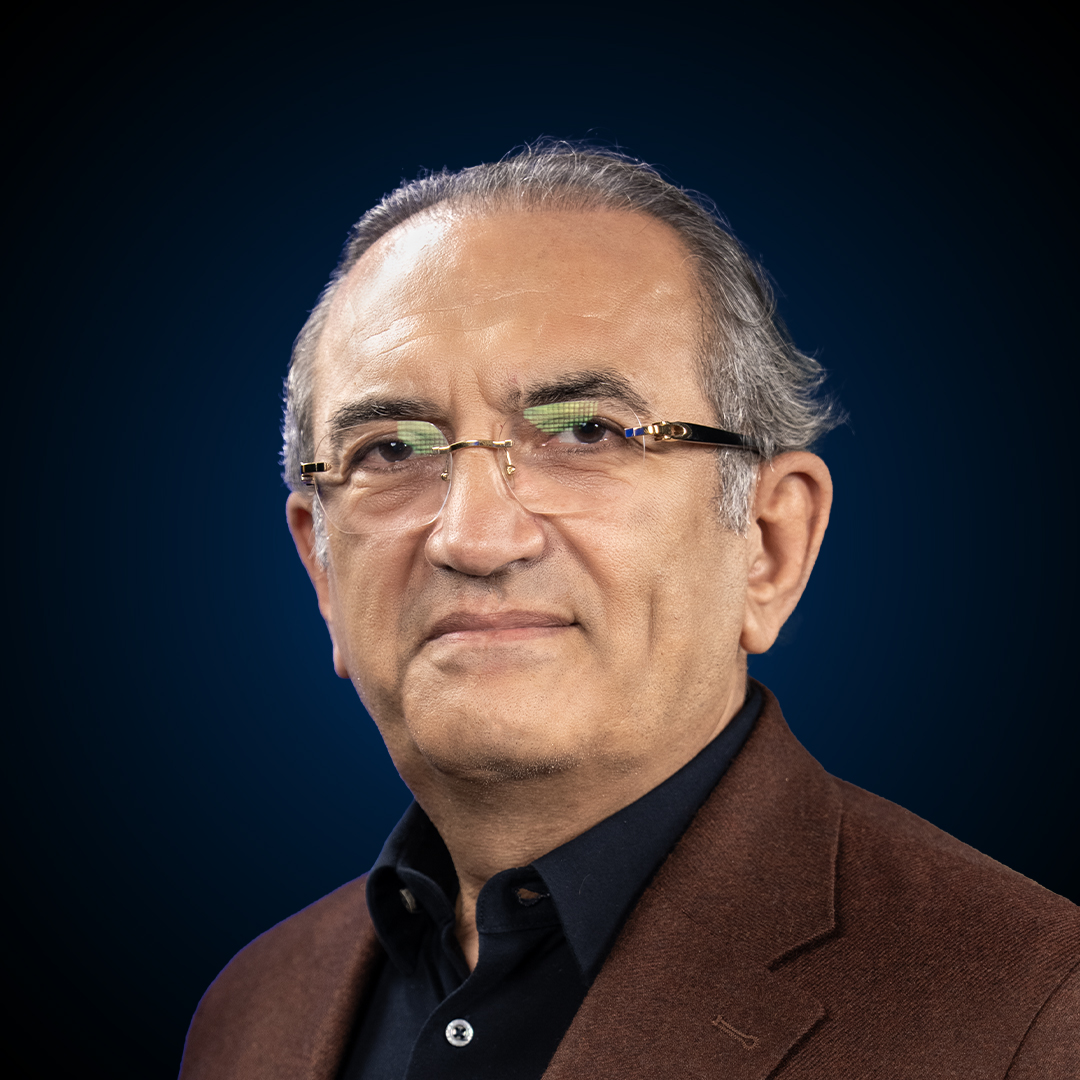 With Farhad Zehi Bakhsh (Ferhat Uysal) · Obstetrician and gynaecologist in Istanbul · Published October 15, 2026
Dr Farhad Zehi Bakhsh, known professionally in Turkey as Ferhat Uysal, joins Arash Nalchegar to discuss menopause, perimenopause, sexual health, mood and memory, hormone therapy, relationships and questions about HPV.
About this conversation
Menopause is often reduced to the end of menstruation. How much does that description capture when the conversation turns to sleep, memory, intimacy and a woman’s relationship with her body? In Fuse 65, Arash Nalchegar speaks with Dr Farhad Zehi Bakhsh, an obstetrician and gynaecologist who practises in Turkey as Ferhat Uysal, about questions often left unspoken.
The conversation begins with trust between doctor and patient. What questions arise when a woman chooses a male gynaecologist? How do cultural expectations affect the ability to discuss pain, needs or dissatisfaction? These questions reach beyond a doctor’s gender to the language people have available for talking about sexual health.
Perimenopause is a central theme. Beyond asking when periods stop, how can people recognise and discuss their experiences during this transition? Sleep, mood, concentration and concerns about memory enter the conversation together. Where should questions about hormones begin, and when does attributing every difficulty to one cause prevent a fuller understanding?
The episode title, “Menopause Is Not the End of Women’s Sex Lives”, opens questions about the association between womanhood and fertility. How should desire, pleasure, pain during sex and feelings of attractiveness be understood? What might partners still not know about each other after years together? Fuse explores intimacy in midlife without assuming that every woman or relationship has the same experience.
Hormone therapy raises further questions about how benefits and risks are assessed. Why do medical history, timing and the form of medication enter that discussion? The conversation also considers supplements and rejuvenation promises, asking where medical need, evidence and marketing meet. The focus is on opening these questions rather than offering one prescription for everyone.
The closing discussion of human papillomavirus, or HPV, connects medical information with trust in a relationship. What questions follow a test result about timing, transmission and the limits of what can be known? Cervical cancer, vaccination and medical follow-up also enter the discussion, bringing attention to how sexual health is discussed and judgments are formed.
This episode is also for partners and family members who want to understand the questions surrounding menopause and perimenopause. Watch the full Persian-language conversation with Dr Farhad Zehi Bakhsh on this page, or listen to the audio of Fuse 65, to hear the answers and follow-up questions in context.
More from Fuse
 64
Did God Create Humans, or Did Humans Create God?
 With Veria Amiri · Philosophy researcher and teacher, theoretical physics graduate, tar and setar musician
 63
I Only Live Once
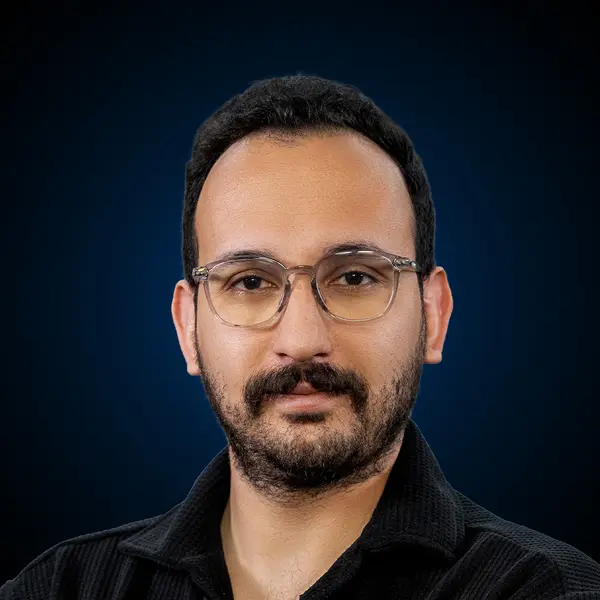 With Mehdi Shajari · Founder of MoboNews and technology content creator
 62
In the Attention Economy, Being Seen Is Not Enough
 With Khashayar Hajipour · Essayist and host of KhashayarTalks